
Have you ever wondered if switching habits truly changes how your body feels every day? Many people feel confused about the long-term impact on their wellness when looking at different options. I want to help you clear up that confusion by looking closely at the real data.
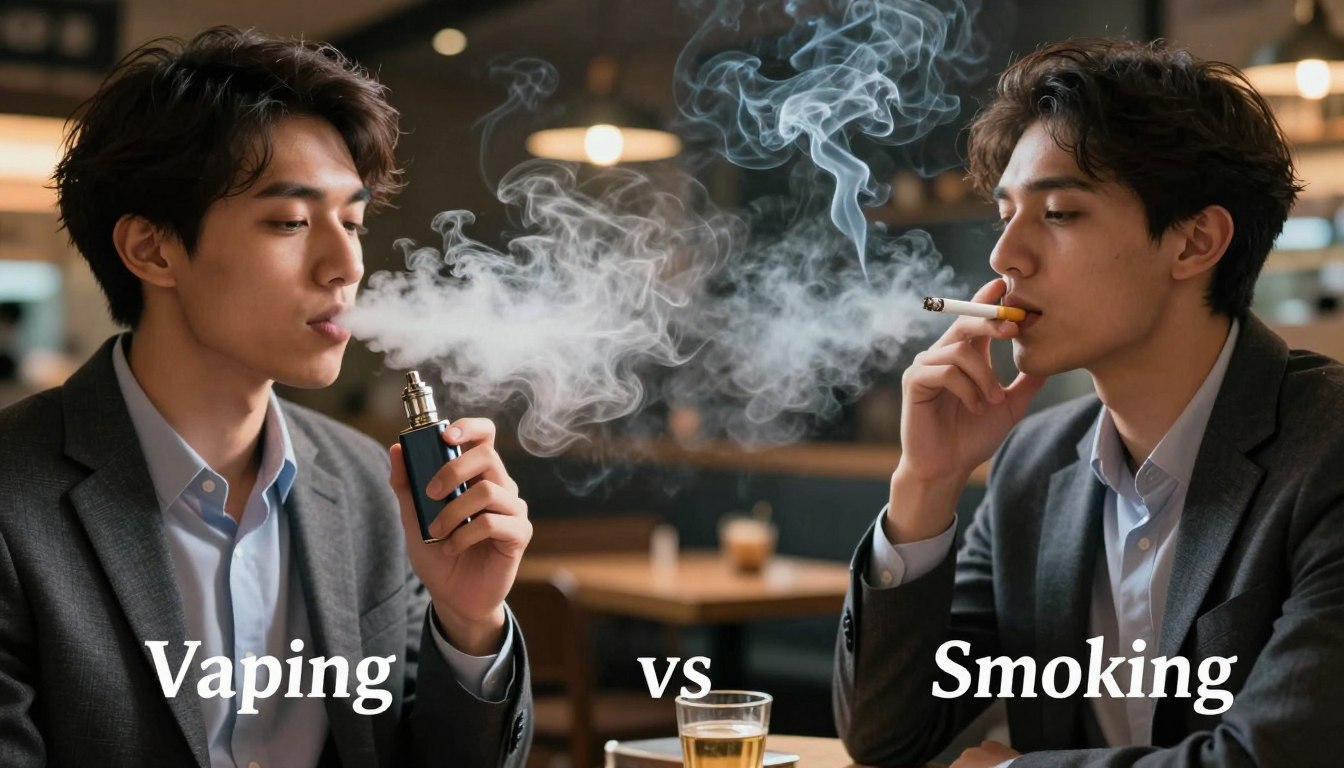
As I explore the debate of vaping vs smoking, I focus on providing a clear path for your personal journey. Understanding how nicotine enters your system is vital for your long-term success. I believe that learning the truth about these methods helps you make better decisions for your future.
Key Takeaways
- Distinguishing between liquid aerosol particles and combustible tobacco smoke.
- Analyzing the long-term impact of each habit on your respiratory wellness.
- Understanding the social consequences and lingering odors of both methods.
- Comparing the monthly financial expenses of different nicotine habits.
- Evaluating the ability to control nicotine strength in various modern devices.
- Recognizing the presence of harmful additives like tar and carbon monoxide.
Understanding Vaping and Traditional Smoking
Understanding the mechanisms behind vaping and traditional smoking is essential to grasping their respective health implications. Both practices have been subjects of extensive research and debate, with each having its own set of risks and perceived benefits.
What Happens When You Smoke Cigarettes
When you smoke cigarettes, you’re inhaling a complex mixture of chemicals, many of which are harmful. Over 7,000 chemicals have been identified in cigarette smoke, with many being toxic and capable of causing cancer. The process of combustion in smoking releases these substances, which are then absorbed into the bloodstream, affecting various bodily systems.
“The smoke from cigarettes contains a myriad of harmful substances, including tar, carbon monoxide, and volatile organic compounds.” These substances not only harm the smoker but also those exposed to secondhand smoke.
How Vaping Works
Vaping, on the other hand, involves the inhalation of aerosolized substances, typically containing nicotine, flavorings, and other additives. The process involves heating a liquid to produce an aerosol that is then inhaled. While vaping is often perceived as a safer alternative to smoking, its long-term health effects are still being studied.
A key aspect of vaping is the variety of devices and e-liquids available, which can significantly affect the vaping experience and its health implications. The vape health benefits are often debated, with some arguing that it offers a less harmful alternative for nicotine delivery compared to traditional smoking.
“Vaping products have evolved significantly over the years, with various designs and flavors being introduced to the market.”
This evolution has contributed to the complexity of understanding vaping’s health impacts, as the diversity of products makes it challenging to generalize their effects.
Vapes vs Smoking: Health & Effect Comparison
Understanding the health effects of vapes versus smoking is essential for making informed choices. Both practices have been scrutinized for their potential health risks, but they differ in their composition and impact on the body.
Chemical Exposure and Toxins
Smoking involves the combustion of tobacco, releasing thousands of chemicals, many of which are toxic. In contrast, vaping involves the heating of e-liquids, which can contain nicotine, flavorings, and other additives.
Key differences in chemical exposure:
- Smoking: Involves combustion, releasing tar, carbon monoxide, and other carcinogens.
- Vaping: Involves heating, potentially releasing formaldehyde and other volatile organic compounds, though typically at lower levels than smoking.
As noted by a recent study, “The chemical composition of e-cigarette aerosol is complex and not fully understood, but it is likely to be much simpler than the mixture of chemicals generated by combustion in tobacco smoke.”
“The e-cigarette aerosol contains fewer numbers and lower levels of toxicants than cigarette smoke.”

Cardiovascular Health Impact
Both smoking and vaping have been linked to cardiovascular health issues. Smoking is a well-established risk factor for heart disease, including conditions like coronary artery disease and stroke.
| Health Impact | Smoking | Vaping |
|---|---|---|
| Cardiovascular Disease Risk | Well-established risk factor | Potential risk, still under research |
| Nicotine Effects | Nicotine contributes to increased heart rate and blood pressure | Nicotine can cause increased heart rate and blood pressure |
Respiratory System Effects
Smoking is notorious for its detrimental effects on lung health, causing conditions such as chronic obstructive pulmonary disease (COPD) and lung cancer. Vaping has also raised concerns regarding its impact on respiratory health.
Respiratory risks associated with vaping: Vaping has been linked to cases of severe lung injury, and there’s ongoing research into its long-term effects on lung health.
In conclusion, while both smoking and vaping pose health risks, the nature and extent of these risks differ. Understanding these differences is crucial for assessing the relative safety of these practices.
Long-Term Effects on Your Body
Understanding the prolonged effects of both vaping and smoking is vital for making informed decisions about our health. The long-term implications of these practices can significantly affect various aspects of our well-being, from cancer risk to overall physical condition.
Cancer Risk Comparison
One of the most critical concerns regarding both vaping and smoking is their potential to cause cancer. Smoking is a well-established cause of various cancers, most notably lung cancer. The International Agency for Research on Cancer (IARC) has classified tobacco smoking as “carcinogenic to humans.” In contrast, the cancer risk associated with vaping is still being researched, with some studies suggesting a potential link between vaping and certain types of cancer, although the evidence is not yet conclusive.
A comparison of the cancer risk between vaping and smoking is complex due to the differences in their chemical compositions. Traditional cigarettes contain thousands of chemicals, many of which are carcinogenic. E-cigarettes, on the other hand, typically contain nicotine, flavorings, and other additives, but the long-term effects of these substances are not fully understood.
| Cancer Risk Factor | Smoking | Vaping |
|---|---|---|
| Lung Cancer | Strong evidence of increased risk | Potential risk, evidence emerging |
| Other Cancers | Associated with increased risk of various cancers | Limited evidence, research ongoing |
Addiction and Nicotine Dependence
Both vaping and smoking can lead to nicotine dependence, a critical factor in their long-term use. Nicotine is highly addictive, affecting the brain’s reward system and leading to physical dependence. The nicotine levels in e-cigarettes can vary widely, making it challenging for users to control their intake.
Nicotine dependence can have significant implications for overall health, including increased heart rate and blood pressure, and potential impacts on adolescent brain development.
Impact on Overall Wellness
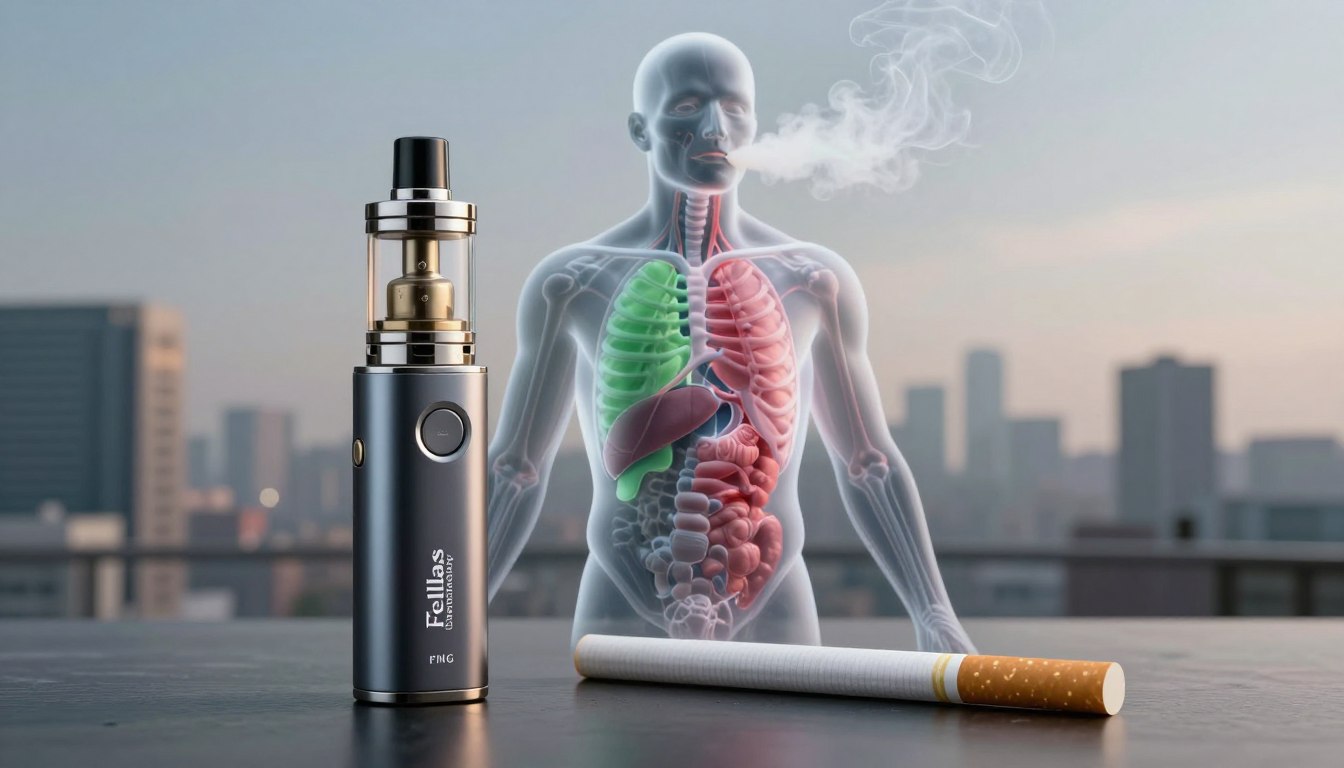
The long-term effects of vaping and smoking extend beyond cancer risk and nicotine dependence, impacting overall wellness. Smoking is known to affect cardiovascular health, respiratory function, and reproductive health, among other areas. Vaping has also been linked to respiratory issues, including cases of severe lung injury.
A comparison of the overall wellness impacts highlights the need for caution with both practices. While smoking’s effects are well-documented, the long-term implications of vaping are still being studied.
Conclusion
As we continue to navigate the complex landscape of vaping and smoking, it’s clear that both practices carry unique risks and benefits. Through the lens of smoking vs vaping research, we’ve explored the differences in chemical exposure, cardiovascular health impact, and respiratory system effects.
By understanding these factors, individuals can make more informed decisions about their health. The ongoing debate highlights the need for continued investigation into the long-term effects of vaping and smoking, including cancer risk comparison and nicotine dependence.
I have synthesized the available data to provide a balanced view, empowering readers to take control of their health choices. As new research emerges, staying informed will be crucial in making decisions that align with the latest findings.
FAQ
What are the primary differences between vaping and smoking regarding my long-term health?
In my experience covering this topic, the most significant differences between vaping and smoking center on how nicotine is delivered. When I look at smoking health risks, the danger primarily comes from the combustion of tobacco, which releases thousands of toxic chemicals and tar. Vaping vs smoking research, such as data provided by Public Health England, suggests that because vapes heat a liquid rather than burning leaf tobacco, they generally expose the user to fewer harmful toxins. However, I always emphasize that “fewer” does not mean “none,” and the vape effects on body are still being intensely studied by the global scientific community.
How do the smoking effects on lungs compare to the impact of vaping?
I’ve found that the smoking effects on lungs are often more immediate and visible in clinical settings, typically involving heavy tar accumulation and a high risk of COPD. When I examine the vape effects on body, the impact on the respiratory system is different; instead of smoke, you are inhaling an aerosol. While this avoids the carbon monoxide found in cigarettes, I’ve noted that organizations like the American Lung Association are concerned about the inhalation of flavorings and heavy metals that can still cause lung irritation and inflammation.
Are there any recognized vape health benefits for current smokers?
While I wouldn’t call vaping “healthy” in a general sense, there are specific vape health benefits specifically for those who use them as a smoking cessation tool. When I compare vape vs cigarette health, the primary benefit is the reduction in carcinogen exposure. By switching, I’ve seen reports that former smokers often experience improved sense of taste and smell, though I recommend consulting with a medical professional at a clinic like the Mayo Clinic to ensure a safe transition.
What does the latest smoking vs vaping research say about cardiovascular health?
Based on my review of recent smoking vs vaping research, both habits impact your heart because of nicotine. As a stimulant, nicotine increases your heart rate and blood pressure. However, some studies suggest the cardiovascular health impact of vaping may be less severe than smoking because it lacks the combustion byproducts that lead to arterial hardening. That said, I’ve seen evidence from the American Heart Association suggesting that we still need more years of data to fully understand the permanent effects of long-term vaping on the heart.
Is the nicotine dependence the same when comparing vapes vs smoking: health & effect comparison?
This is a nuanced part of the vapes vs smoking: health & effect comparison. In my analysis, I’ve found that addiction levels can be quite similar. Brands like JUUL and Vuse use nicotine salts, which allow for high concentrations of nicotine to be absorbed very quickly. This can make nicotine dependence just as strong, if not stronger, than with traditional cigarettes. I often warn my readers that the ease of using a vape indoors can lead to more frequent “puffs” throughout the day compared to smoking a cigarette outside.
Does vaping carry the same cancer risks as traditional cigarettes?
When I look at the vape vs cigarette health data, the consensus is that traditional cigarettes are far more likely to cause cancer due to the high levels of tar and combustion-related carcinogens. While the CDC continues to monitor the long-term outcomes of e-cigarette users, the current smoking vs vaping research suggests that vapes contain significantly fewer known carcinogens. However, as a journalist, I must stay objective: since vaping has only been popular for about a decade, we simply don’t have the 40-year longitudinal studies that we have for brands like Marlboro or Camel.